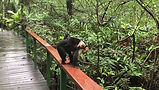
The moment you arrive, the land draws you back into nature - quietly, inevitably, as if it remembers you. Over slow days and nights, the place works its way inward; each minute here returns something lost, a quiet rejuvenator of the simple art of being.
Osa Nova introduces the world's first recognized
Tropical Urban Park (TUP) "Chosa Manglar Nature Retreat",
where wildlife and daily life live side by side.
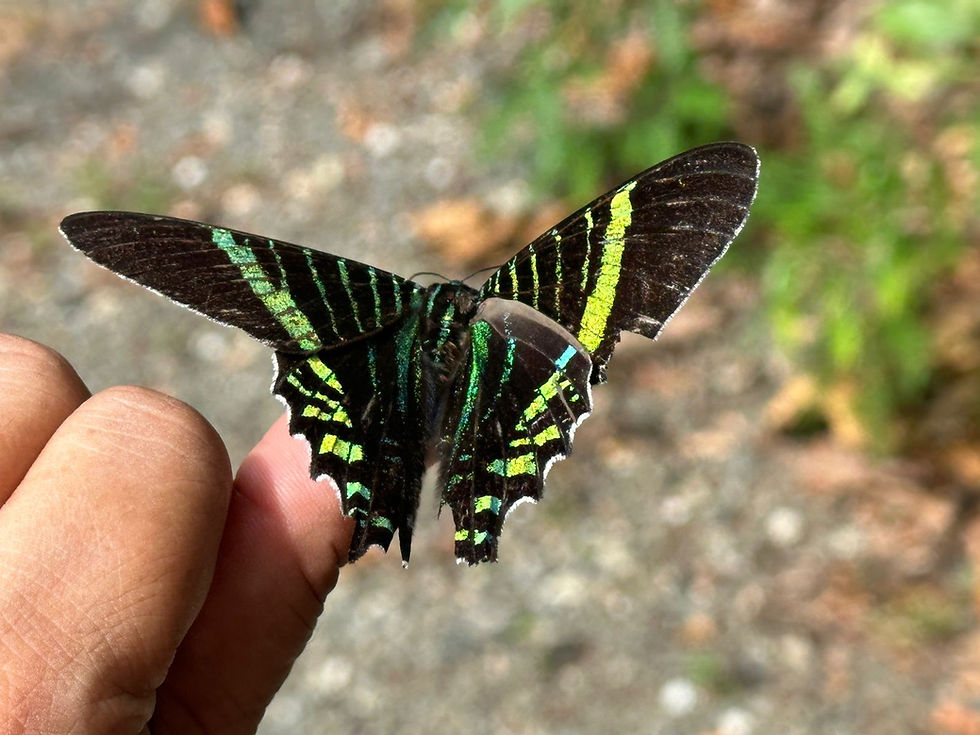
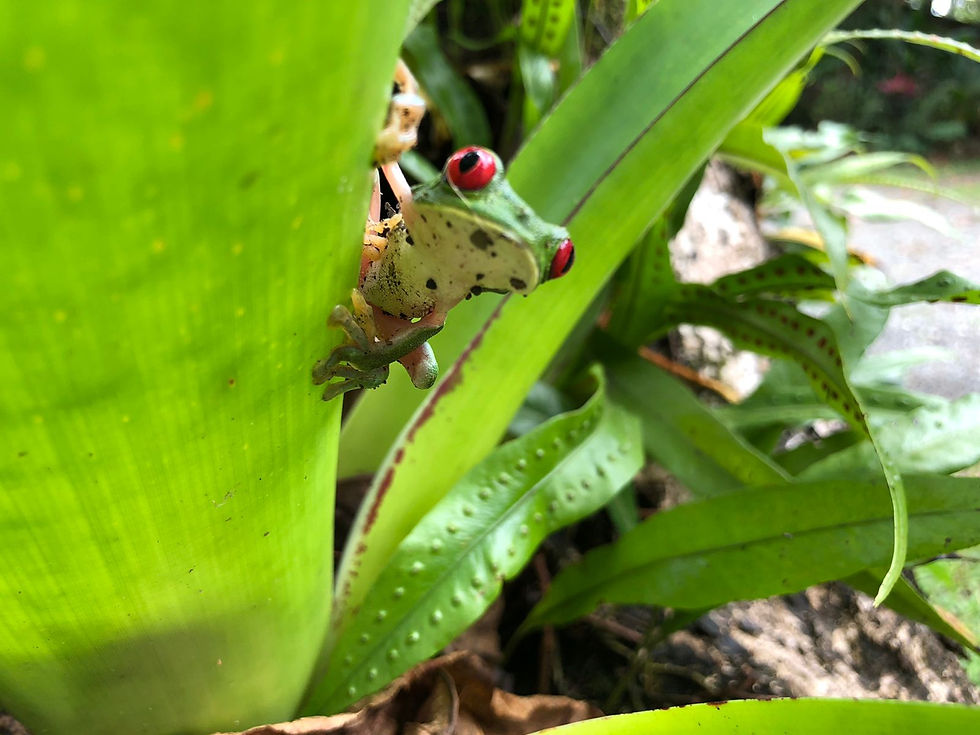
All Photographs of 'Flora and Fauna' were taken Onsite

A Living Ecosystem in Puerto Jiménez
Osa Nova introduces a steward‑led Tropical Urban Park (TUP) where humans and wildlife share the same land with ease. Life unfolds slowly here - coatis and iguanas in the garden, macaws and toucans overhead, kinkajous and sloths after dark. This is not a resort or retreat center, but a lived‑in corner of the Osa where coexistence is daily life. Become part of it.


What Is a Tropical Urban Park?
A Tropical Urban Park (TUP) is a natural area within a tropical city, town, or village where authentic biodiversity thrives alongside everyday human life. The category is defined by the canonical doctrine of the Tropical Urban Park, including its five core principles. Osa Nova expresses this doctrine through gentle coexistence, walkability, stewardship, active urban presence, and a daily rhythm shared with the forest and mangrove.
Living With the Forest and Mangrove
Here, the forest and mangrove are not a backdrop -- they are the rhythm of daily life. We move slowly, give wildlife the right of way, and let the land shape our routines. Nothing is staged; everything is simply the natural flow of a functioning ecosystem


Our Philosophy
We understand humans as part of the forest and waters, not separate from them. Inter‑species sharing guides how we move, build, and make decisions. Conservation here is woven into daily life, expressed through presence, awareness, and gentle participation in the ecosystem.
The Experience
Being here feels like returning to a slower, older rhythm. Days follow light, weather, and wildlife movement rather than schedules. People describe the experience not as an escape, but as a reconnection with a way of living that feels instinctive and human.


How Osa Nova Works
We organize human life around the needs of the ecosystem. Paths follow animal routes, structures sit lightly on the land, and nights stay warm and dim to protect nocturnal species. People learn by observing the mangrove and the forest and adjusting their pace to match it.
Shared Ecological Living
We move with awareness, keep the environment clean, listen before acting, and give wildlife the right of way. These simple practices allow humans and animals to share the same spaces without fear or disruption. It is a daily, practical expression of coexistence.


A Quiet Invitation to Belong
Osa Nova is not something you consume; it is community you join. The forest and mangrove welcome you through presence, not performance. Belonging emerges naturally when you let the land set the pace.
How We Welcome You
Your orientation is simple and quiet: walking the paths wildlife uses, learning how to move with awareness, and understanding how to share space respectfully. You may arrive as a visitor, but you settle in as part of a living ecosystem.

Your Stay
Our minimum stay is 7 nights, giving you time to settle into the rhythms of the forest and mangrove. Lodgings sit lightly on the land, allowing wildlife to move freely. Days unfold naturally, shaped by light, weather, and the quiet presence of the ecosystem around you.
Your Arrival
Osa Nova is accessible by foot, bicycle, motorcycle, car, boat, bus, small plane, or helicopter. However you arrive, the transition into the ecosystem begins before you reach the land itself.

A Different Kind of Time
Nights are warm and quiet, with low light that protects nocturnal animals. You fall asleep knowing the ecosystem continues around you — alive, confident, and undisturbed. A stay here is not a vacation; it is a period of living gently inside a functioning ecosystem.
Osa Nova introduces the World’s First Recognized Tropical Urban Park (TUP)
Day Visits
Step into a day shaped by light, weather, and wildlife movement. Whether you come for a morning walk, an afternoon pause, or a full day of immersion, each pass offers a quiet way to share space with the ecosystem.

Membership Options
Become part of the daily life of the forest and mangrove. Membership offers year‑round access and a way to support the ecosystem you share, deepening your relationship with the land over time.


Our Resident Artist, 2026 & 2027

My name is Caroline Grant, and I have been living and painting in Costa Rica for the past nine years. It is a place that is very difficult to leave; for me, it truly feels like paradise on Earth. The extraordinary wildlife, vibrant colours, and natural beauty of this country continue to inspire my work every day.
Before dedicating myself fully to painting, I trained as a chef in French cuisine. This career allowed me to travel extensively and work in different countries around the world, giving me a deep appreciation for diverse cultures, landscapes, and artistic influences.
In 2000, I produced a Feng Shui calendar featuring twelve original watercolour paintings inspired by locations from around the world. During my artistic journey, I was also honoured to receive third place in the English Wildlife Artist of the Year competition for a watercolour painting depicting two storks at the entrance of a cave.
As my children grew up, I became a cookery teacher, sharing my knowledge and passion for food with others. Later, while living in Switzerland, I transitioned from watercolours to acrylic painting, finding that the medium better expressed the bright colours and energy that had become central to my work
Today I am the Resident Artist at Chosa Manglar Nature Retreat in Puerto Jiménez, Costa Rica, the world's first recognized Tropical Urban Park (TUP). Through my paintings (www.barbalu.art), I celebrate the wildlife, tropical landscapes, and spirit of this remarkable region.
Local wildlife photographers and guides generously share some of their incredible photographs with me, providing inspiration for many of my paintings. Together, we share a commitment to promoting environmental awareness, protecting wildlife, and creating safe spaces where nature can flourish.
I am passionate about sharing the joy of creativity with visitors and helping others connect with the natural world through the arts. FYI, Coming Soon, a 6 day, 5 night introduction to tropical nature, art, and culinary adventure. It will be held early December of 2026, so stay tuned and mark your calendars.
Pura Vida,
Caroline Grant
Details of Artists Workshop, Click Here
Protecting the World’s First Recognized Tropical Urban Park (TUP)
Stewardship Opportunities
Become part of the long‑term care of the forest and mangrove. Stewardship supports the continuity of this Tropical Urban Park (TUP), helping protect a living ecosystem and strengthening the shared legacy of belonging and renewal.

Jungle Reserve
A jungle extension of a Tropical Urban Park (TUP), offering members and stewards quiet solitude, rich wildlife, and raw, uninterrupted wilderness. It's a place of immersion, where the forest expresses itself with its full, undisturbed presence.